Understanding Pattern Leaf Vector Illustration: A Complete Guide for Designers and Enthusiasts
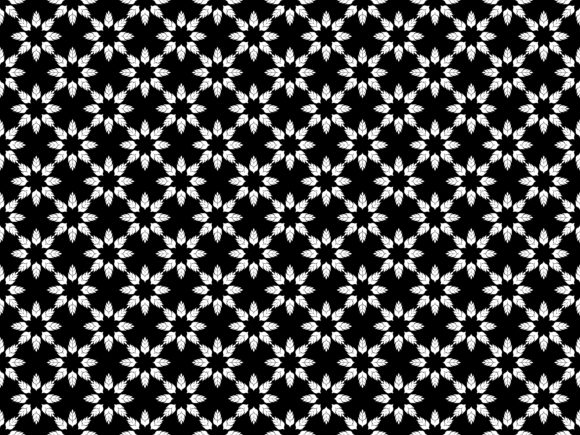
Pattern leaf vector illustration sits at the fascinating intersection of nature, design, and digital technology. Whether you are a graphic designer building a portfolio, a small business owner creating your own branding materials, or simply someone curious about how digital art works, understanding this versatile design element can open doors to countless creative possibilities. At its core, a pattern leaf vector illustration is a digital drawing of leaves—arranged in repeating or seamless patterns—built using mathematical paths rather than pixels. This fundamental difference is what makes vector graphics so powerful and widely used across industries today.
In this article, we will explore what pattern leaf vector illustrations are, why they matter, how they are created, and where they appear in everyday life. By the end, you will have a clear grasp of the subject and a deeper appreciation for the artistry and technology behind the designs you encounter everywhere from fabric prints to website backgrounds.
What Exactly Is a Vector Illustration?
Before diving into pattern leaf vector illustration specifically, it helps to understand what a vector illustration is in the first place. Unlike raster images—which are composed of thousands or millions of tiny colored squares called pixels—vector illustrations are built using mathematical equations that define shapes, lines, curves, and colors. The most common file formats for vector graphics include SVG (Scalable Vector Graphics), AI (Adobe Illustrator), EPS, and CDR (CorelDRAW).
This mathematical foundation gives vector illustrations a remarkable superpower: infinite scalability. You can enlarge a vector leaf pattern to the size of a billboard or shrink it down to fit on a business card, and the quality remains perfectly crisp and sharp. There is absolutely no pixelation, no blurring, and no loss of detail. For designers working with pattern leaf vector illustrations, this means one single file can serve multiple purposes across vastly different media.
Key Characteristics of Vector Graphics
- Resolution independence: Scale up or down without quality loss, making them ideal for both print and digital use.
- Smaller file sizes: Vector files often take up less storage space compared to high-resolution raster images, especially for designs with flat colors.
- Easy editability: Individual elements, colors, and shapes can be modified quickly without affecting the rest of the design.
- Clean lines and smooth curves: Perfect for stylized, graphic, and illustrative work where precision matters.
When we talk about pattern leaf vector illustration, we combine these technical advantages with the organic beauty of botanical forms. The result is a design asset that is both visually appealing and remarkably practical.
The Allure of Leaf Patterns in Design
Leaves have been a staple of decorative art for centuries, appearing in ancient pottery, medieval manuscripts, textile traditions across cultures, and architectural ornamentation. The natural world provides an endless source of inspiration, and leaves—with their varied shapes, vein structures, and seasonal colors—offer a rich visual vocabulary. A pattern leaf vector illustration channels this timeless appeal through a modern, digital lens.
Why leaves specifically? The answer lies in their versatility and universal recognition. Leaves can convey freshness, growth, sustainability, and tranquility. A tropical monstera leaf pattern brings a lush, exotic energy. Delicate eucalyptus sprigs evoke calm and wellness. Autumn oak leaves suggest warmth, change, and nostalgia. Designers leverage these associations to create emotional connections and reinforce brand messaging. A pattern leaf vector illustration is never just decoration—it carries meaning, sets a mood, and communicates without words.
Common Leaf Motifs in Pattern Design
- Tropical leaves: Monstera, palm fronds, banana leaves, and philodendrons are popular for bold, vibrant patterns often used in fashion and interior decor.
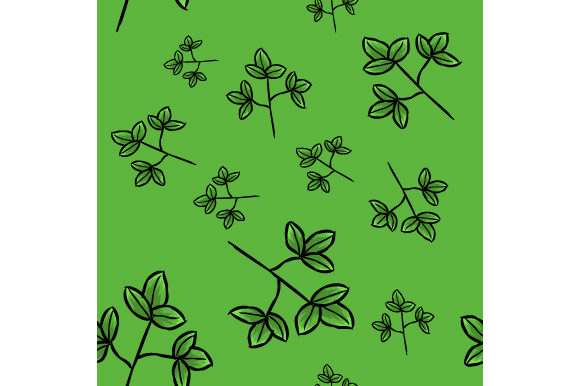
- Botanical and herbal leaves: Eucalyptus, rosemary, mint, and sage lend a natural, organic feel to packaging, wellness branding, and stationery.
- Seasonal foliage: Maple, oak, birch, and ginkgo leaves feature heavily in autumn-themed patterns and seasonal products.
- Minimalist and line-art leaves: Simple, elegant outlines that suit modern branding, logos, and subtle background textures.
- Abstract and geometric leaves: Stylized interpretations that blend natural forms with structured, contemporary aesthetics.
Understanding the variety of leaf motifs helps you appreciate how a pattern leaf vector illustration can be tailored to almost any creative brief or personal project.
How Pattern Leaf Vector Illustrations Are Created
Creating a seamless pattern leaf vector illustration requires both artistic skill and technical know-how. The process typically begins with sketching and conceptualization, followed by digital execution using vector software like Adobe Illustrator, Affinity Designer, Inkscape, or CorelDRAW. While each designer has a personal workflow, the general pipeline follows a logical sequence.
Step-by-Step Creation Process
Step 1: Research and Inspiration. Designers often start by gathering references—photographs of real leaves, botanical illustrations, fabric swatches, and existing pattern designs. This research phase helps define the style, color palette, and composition direction.
Step 2: Sketching the Leaf Motifs. Many designers begin with pencil and paper, drawing individual leaf shapes and considering how they might repeat. Others sketch directly on a tablet. The goal is to develop a set of leaf elements that feel cohesive and visually interesting.
Step 3: Vectorizing the Sketches. Using the Pen Tool, Shape Builder, or similar vector tools, the designer traces or recreates the leaf sketches as clean vector paths. Anchor points and Bezier curves define every contour and vein. This stage requires precision because the quality of the paths determines how well the final pattern will look at any scale.
Step 4: Arranging the Pattern Tile. A seamless pattern is built around a repeating tile—a rectangular or square block that, when duplicated and aligned edge-to-edge, creates an uninterrupted design. The designer places leaf elements within this tile, carefully positioning them so that edges match perfectly when the tile repeats. This is where the technical skill of pattern layout truly shines. The placement must account for overlap, balance, and negative space.
Step 5: Testing and Refining Seams. The designer tests the repeat by tiling the pattern block and examining the seams for visible breaks or awkward gaps. Adjustments are made until the pattern flows continuously. Software features like pattern preview modes in Adobe Illustrator make this process more intuitive, but a good eye for detail remains essential.
Step 6: Applying Color and Final Polish. Colors are refined, gradients may be added, and the overall balance is fine-tuned. Some pattern leaf vector illustrations use flat, solid colors for a modern graphic look, while others incorporate subtle textures and shading for depth.
The entire process marries artistic creativity with methodical problem-solving, and that is what makes a well-executed pattern leaf vector illustration so satisfying to use and behold.
Practical Applications Across Industries
One of the most compelling aspects of pattern leaf vector illustrations is their extraordinary versatility. They appear in contexts that range from massive commercial installations to intimate personal projects. Recognizing where these patterns show up helps you understand their value and perhaps sparks ideas for your own use.
Textiles and Fashion
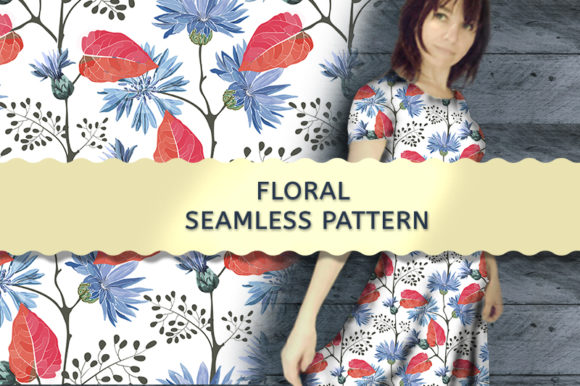
The fashion industry relies heavily on repeating patterns. A pattern leaf vector illustration can be printed onto fabric for dresses, shirts, scarves, and upholstery. Because vector files scale seamlessly, the same design file that works for a silk scarf can also be used for a duvet cover or curtain panel. Tropical leaf patterns, in particular, have enjoyed sustained popularity in swimwear and summer collections year after year.
Stationery and Paper Goods
Greeting cards, wedding invitations, wrapping paper, notebooks, and planners frequently feature leaf patterns. The botanical aesthetic conveys elegance and a connection to nature. Independent stationery designers, in particular, often build entire product lines around signature pattern leaf vector illustrations.
Branding and Packaging
Brands in the organic food, skincare, tea, and wellness sectors use leaf patterns to reinforce messages of natural ingredients, sustainability, and purity. A subtle eucalyptus or herbal leaf pattern on product packaging can instantly signal to consumers that the product is plant-based or eco-conscious. The scalability of vector art means the same pattern can appear on everything from tiny lip balm tubes to large shipping boxes without losing quality.
Web and Digital Design
Website backgrounds, social media graphics, app interfaces, and digital marketing materials all benefit from pattern leaf vector illustrations. Because vector files are typically lightweight, they load quickly and render sharply on high-resolution screens. Designers often use subtle, low-contrast leaf patterns as background textures to add visual interest without distracting from content.
Home Decor and Interior Design
Wallpaper, wall decals, cushion covers, rugs, and art prints regularly feature leaf patterns. The ability to scale vector designs means a single pattern can be adapted for a small framed print or a full accent wall mural. Interior designers appreciate the flexibility and the wide range of styles available.
Common Misunderstandings About Vector Patterns
Despite their widespread use, several misconceptions surround pattern leaf vector illustrations. Clearing these up helps both beginners and non-designers engage with the medium more confidently.
Misunderstanding 1: "Vector patterns always look flat and cartoonish." While vector illustrations can certainly be flat and graphic, they are also capable of remarkable depth. Skilled designers use gradients, layered transparency, and complex shading techniques to create richly detailed, almost painterly leaf patterns. The aesthetic range of vector art is far broader than many people realize.
Misunderstanding 2: "You need expensive software to create vector patterns." Premium tools like Adobe Illustrator are industry standards, but free and open-source alternatives like Inkscape offer robust vector capabilities. Additionally, apps like Procreate now include some vector functionality, and platforms like Canva provide simplified pattern creation tools. Access to vector design has never been more democratic.
Misunderstanding 3: "Any image can be converted to a vector pattern automatically." Auto-tracing tools exist, but they rarely produce clean, professional results without significant manual refinement. A high-quality pattern leaf vector illustration almost always requires deliberate handcrafting. Automated conversion often creates messy, overly complex paths that are difficult to work with.
Misunderstanding 4: "Vector patterns are only for professional designers." While professionals certainly use them, pattern leaf vector illustrations are also valuable for hobbyists, small business owners, teachers creating classroom materials, and anyone who wants to personalize their projects. Stock vector sites and design marketplaces make it easy for non-designers to license and use beautiful patterns.
Why Pattern Leaf Vector Illustrations Remain Relevant
In an era of rapid technological change, the enduring relevance of pattern leaf vector illustration speaks to something deeper. On one level, it is about practicality—vector files are efficient, adaptable, and future-proof. On another level, it reflects a cultural appetite for nature-inspired design in a world that feels increasingly digital and urbanized. Leaf patterns bring a touch of the organic into our screens, our homes, and our wardrobes. They remind us of growth, cycles, and the beauty of the natural world, all while functioning as highly engineered digital assets.
For designers, mastering pattern leaf vector illustration is a valuable skill that applies across multiple industries. For consumers and enthusiasts, appreciating these patterns enriches the way we see the designed objects around us. And for anyone curious about digital creativity, understanding this topic is a gentle entry point into the larger world of vector art and surface pattern design.
Whether you encounter them on a trendy tote bag, a calming meditation app, or a beautifully wrapped bar of handmade soap, pattern leaf vector illustrations are quietly shaping the visual texture of modern life. Now, when you spot one, you will understand a little more about the thought, the technology, and the artistry woven into every repeating leaf.