Understanding Abstract Liquid Color Seamless Patterns: A Complete Guide
Have you ever scrolled through a website, opened a phone case catalog, or browsed fabric designs and found yourself mesmerized by swirling, flowing colors that seem to move even though they are completely still? Those captivating designs are likely abstract liquid color seamless patterns. They represent one of the most versatile and visually striking trends in modern digital design, and their influence extends far beyond the screen into fashion, home décor, packaging, and fine art.
In this guide, we will walk through what these patterns truly are, why they matter, how they are created, and where you encounter them in everyday life. Whether you are a curious beginner, a graphic designer looking to expand your toolkit, or a business owner considering fresh branding ideas, this article will give you a complete and practical understanding of the topic.
What Is an Abstract Liquid Color Seamless Pattern?
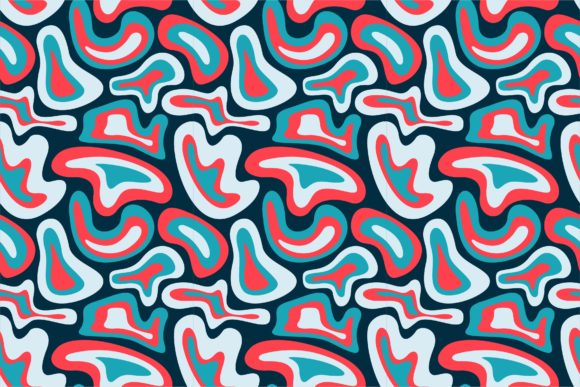
At its simplest, an abstract liquid color seamless pattern is a digital or physical design composed of fluid, marble-like, or swirling color formations that seamlessly repeat across a surface without visible edges, breaks, or interruptions. Let us break that description down into three core components:
- Abstract: The design does not aim to represent a recognizable object, person, or scene. Instead, it relies on shape, color, and movement to evoke emotion, energy, or atmosphere. Abstract patterns free the viewer from literal interpretation and invite personal connection.
- Liquid Color: The visual style mimics the behavior of liquids—think ink dispersing in water, paint pouring across a canvas, oil swirling on a puddle, or molten glass blending together. Colors bleed, marbleize, ripple, and flow into one another. The result often feels organic, unpredictable, and fluid.
- Seamless Pattern: The design is engineered so that when it tiles horizontally and vertically, the edges align perfectly without visible seams. This allows the pattern to cover any surface area of any size without interruption, making it ideal for textiles, wallpapers, website backgrounds, product wraps, and more.
When these three elements combine, the result is a versatile visual asset that feels both contemporary and timeless. Designers value these patterns because they can convey luxury, playfulness, calm, or chaos depending on the color palette and the intensity of the liquid effect.
The Origin and Rise of Liquid Aesthetics in Design
The fascination with fluid, organic forms is far from new. Artists and craftspeople have been imitating the movement of liquids for centuries. Traditional paper marbling techniques, known as ebru in Turkey and suminagashi in Japan, date back hundreds of years and were used to decorate book covers, official documents, and artworks. These early methods floated pigments on water or a viscous solution, manipulated the colors into intricate swirls, and transferred the design onto paper or fabric.
What has changed dramatically is technology. With the advent of powerful graphic design software like Adobe Photoshop, Illustrator, Procreate, and various 3D rendering tools, designers can now simulate liquid motion with incredible precision and repeatability. Digital tools allow for infinite experimentation without wasting physical materials. The rise of high-resolution displays also meant that rich, gradient-heavy, fluid visuals could finally be appreciated on websites, apps, and digital advertisements without sacrificing quality.
Over the last decade, liquid color patterns have surged in popularity thanks to several converging trends in the design world. The move away from flat, minimalist interfaces toward more expressive, emotionally resonant visuals—sometimes called neumorphism or glassmorphism—has created a welcoming environment for fluid, translucent, and organic imagery. Social media platforms like Instagram and Pinterest have amplified the reach of these visually arresting designs, making them aspirational for brands and creators alike.
Why Abstract Liquid Patterns Matter in Modern Visual Communication
Visual communication is not just about looking good. It is about conveying a message, establishing a mood, and building recognition. Abstract liquid color seamless patterns serve several important functions in this landscape:
Emotional Connection Through Color and Flow
Colors communicate on a subconscious level. Warm reds, oranges, and yellows can energize a viewer, while cool blues, purples, and greens can soothe and calm. When those colors are arranged in fluid, swirling paths, the emotional impact intensifies. The human brain is naturally drawn to organic movement because it mirrors the rhythms found in nature—water currents, cloud formations, geological strata, and even the movement of galaxies. A liquid pattern can make a brand feel more human, approachable, and alive.
Uniqueness and Brand Differentiation
In a crowded marketplace, standing out is essential. While geometric and grid-based patterns communicate order and stability, liquid abstract patterns signal creativity, innovation, and individuality. No two generated liquid patterns are exactly alike, even when using similar color palettes. This inherent uniqueness helps brands and products differentiate themselves. A skincare line might use soft, milky pastel swirls to evoke gentleness and purity, while a tech startup might embrace bold neon fluid forms to project energy and forward-thinking ambition.
Seamless Adaptability Across Mediums
Because the pattern is seamless, it can scale from a tiny app icon to a massive building wrap without losing integrity. This adaptability is a practical superpower for businesses and creators. A single well-designed pattern can unify a brand's presence across packaging, stationery, clothing, digital backgrounds, social media templates, and environmental graphics. The consistency strengthens brand recall and simplifies asset management.
Common Applications You Encounter Daily
You might not consciously notice them, but abstract liquid color seamless patterns surround you. Once you start recognizing them, you will see their quiet influence everywhere:
- Smartphone and Laptop Wallpapers: Many default device backgrounds feature fluid gradients and abstract liquid forms because they look modern and do not distract from icons and widgets.
- Fashion and Accessories: Leggings, scarves, swimwear, handbags, and sneakers frequently use liquid marble or swirling dye patterns. The organic shapes flatter the body and hide minor stains or wear more effectively than solid colors or rigid patterns.
- Website and App Design: Hero sections, background textures, and loading screens often incorporate subtle flowing gradients to create depth and visual interest without overwhelming the content.
- Home Décor and Stationery: Notebooks, wrapping paper, wallpaper murals, throw pillows, and rugs use these patterns to add a contemporary artistic touch to living and working spaces.
- Product Packaging: Cosmetics boxes, beverage cans, candle jars, and tech gadget boxes use liquid color accents to suggest premium quality and sensory richness.
How Designers Create Abstract Liquid Color Seamless Patterns
Understanding the creation process demystifies the art and helps you appreciate the skill involved. While exact workflows vary, most digital designers follow a similar path:
Generating the Liquid Base
Artists begin by creating the raw liquid visuals. This can happen in several ways. Some designers physically create fluid art with acrylic pour painting, alcohol inks, or watercolors and then photograph or scan the results at high resolution. Others work entirely digitally, using software filters, fluid simulation plugins, or algorithmic tools to generate swirling color fields. Popular programs include Adobe Photoshop's liquefy tool, After Effects for animated fluid motion later converted to still frames, and specialized apps like Rebelle or Flame Painter that mimic real-world fluid dynamics.
Crafting the Seamless Repeat
Once the liquid image exists, the designer must make it seamless. This typically involves offsetting the image by half its width and height, revealing the seams in the center, and then carefully blending, cloning, and painting over those seams until the edges connect invisibly. It is a meticulous process that requires patience and a strong visual eye. Adobe Illustrator and Affinity Designer offer pattern-making modes that preview the repeat in real time, which greatly aids accuracy.
Color Adjustment and Refinement
The mood of a pattern can shift dramatically with color tweaks. A desaturated, muted palette feels sophisticated and subdued, while a high-contrast neon palette feels energetic and edgy. Designers adjust hues, saturation, brightness, and contrast to match the intended application. They also test the pattern at different scales—what looks good as a large swatch might become muddy or overwhelming when tiled at a small size, and vice versa.
Exporting for Multiple Uses
The final pattern is exported in various formats depending on its destination. High-resolution PNG or TIFF files are suitable for print production. JPEG versions work for web use. Vector formats like SVG are preferred when infinite scalability without quality loss is required. A professional pattern comes with clear documentation of the tile size so other designers or manufacturers can use it correctly.
Choosing and Using Abstract Liquid Patterns Effectively
If you are considering incorporating these patterns into your own work or purchasing them for a project, a few practical guidelines will help you succeed:
- Match the Pattern's Energy to Your Message: A serene, flowing pattern in soft blues and greens communicates calm. A chaotic, high-contrast burst of neon pinks and blacks communicates rebellion or intense energy. Always ask what emotional response you want before selecting a pattern.
- Consider Legibility and Contrast: If you plan to overlay text or logos on the pattern, ensure sufficient contrast. Busy liquid patterns can obscure typography. Use semi-transparent overlays, darkening layers, or strategic negative space to maintain readability.
- Test the Seamless Repeat at Actual Scale: A pattern that looks flawless zoomed in may reveal distracting repetition when viewed in full. Always test your chosen pattern at the size and resolution it will be used before finalizing your design.
- License Carefully: Many liquid patterns are sold through stock marketplaces with varying license terms. Ensure your intended use—commercial, editorial, or personal—is covered. Crediting the artist is not always legally required but is a respectful practice that supports the creative community.
Common Misunderstandings About Abstract Liquid Patterns
Despite their growing popularity, several misconceptions persist. Clarifying these can help you appreciate the art form more deeply and avoid missteps in your own projects.
Misconception: "They Are Just Random Messes of Color"
While the liquid effect can appear chaotic, skilled designers carefully control composition, color harmony, and focal points. Just as abstract painting requires artistic judgment, so does crafting a compelling liquid pattern. The best examples balance chaos with structure, leading the eye through the design rather than overwhelming it.
Misconception: "Any Gradient Image Can Become a Seamless Pattern Instantly"
Creating a truly seamless repeat from a complex liquid image is technically demanding. Automated tools exist, but they often produce visible artifacts or unnatural repetition. Professional results usually require manual blending and artistic intervention.
Misconception: "These Patterns Are Only for Digital Use"
As mentioned earlier, abstract liquid patterns thrive in physical products. The printing industry has robust methods for transferring these rich, gradient-heavy designs onto fabrics, ceramics, metals, and papers. The key is using high-resolution files and working with printers who understand color management for complex gradients.
The Future of Abstract Liquid Patterns in Design
Looking ahead, the intersection of artificial intelligence and design tools promises to make liquid pattern creation more accessible and varied. AI image generators can now produce stunning fluid visuals from text prompts, and specialized plugins can generate seamless tiles from these outputs with increasing reliability. However, human curation remains essential. The ability to select meaningful color combinations, assess emotional impact, and refine details with intention will keep skilled designers at the center of this creative field.
We are also seeing liquid aesthetics merge with augmented reality and motion design. Imagine a museum wall or a retail display where abstract liquid patterns ripple and shift in response to viewer movement. As display technologies evolve, static seamless patterns may give way to living, breathing surfaces that push the concept even further.
Building Your Appreciation and Practical Knowledge
Abstract liquid color seamless patterns sit at a fascinating crossroads of art, technology, and everyday life. They remind us that even in a highly structured digital world, there is room for organic beauty and fluid expression. Understanding their origins in ancient marbling techniques, their modern digital creation process, and their widespread applications enriches your ability to see design with new eyes.
Whether you aim to create your own patterns, license them for a commercial project, or simply recognize them in the world around you, the foundation you have gained here will serve you well. Next time you notice a swimming swirl of color on a product or screen, you will know exactly what goes into making that seamless illusion feel so effortlessly beautiful.