Red Asters, Dahlias, and Chrysanthemums for Fall Gardens
Late-season gardens often fade into muted tones just when outdoor spaces could use a final burst of energy. Red Asters, Dahlias, and Chrysanthemums solve this timing problem with rich, saturated color that peaks when many other plants have finished blooming. Gardeners, floral designers, and anyone who values a well-composed outdoor space can use these three flowers to extend visual interest well into autumn without relying on complicated planting schemes or expensive seasonal replacements.
What makes this trio particularly useful is the way each flower contributes a different shape, texture, and shade of red while sharing similar growing requirements and bloom windows. Together they create layered, professional-looking displays that feel intentional rather than haphazard. Understanding how each one performs helps you place them where they will do the most good, whether you are filling garden beds, planning cut flower harvests, or designing arrangements for events and retail settings.
Why Red Asters Bring Structure to Late-Season Color
Red Asters offer something that many autumn flowers lack: a daisy-like form with slender petals radiating from a central disc. This structure introduces visual rhythm into borders and arrangements, breaking up the heavier, rounder forms of other seasonal blooms. The red varieties range from deep crimson to softer brick tones, giving you flexibility depending on whether you want bold contrast or a more muted transition between summer and fall palettes.
Beyond appearance, Red Asters serve a practical role in the garden ecosystem. They bloom from late summer through October in most regions, providing nectar for pollinators preparing for migration or overwintering. For gardeners who care about supporting local bee and butterfly populations, this extended food source matters. The plants themselves are generally cold-tolerant and can handle light frosts that would damage more delicate flowers, meaning they keep performing even as temperatures dip.
From a maintenance standpoint, Red Asters ask for relatively little. They thrive in full sun with well-drained soil and tend to be more resistant to powdery mildew than some other aster colors, particularly if given adequate spacing for air circulation. Pinching them back in early summer encourages bushier growth and more flower stems, which also means more material for cutting if you use them in arrangements.
Dahlias as the Powerhouse of Form and Longevity
Dahlias bring an almost architectural quality to gardens and floral work. Their blooms span a remarkable range of sizes, from compact two-inch pompons to dinner-plate varieties that can exceed ten inches across. Red Dahlias in particular command attention without being difficult to combine with other flowers, since red acts as a natural focal point that still harmonizes with whites, oranges, deep purples, and even pinks when placed thoughtfully.
One of the most practical benefits of growing Dahlias is their cutting performance. A healthy dahlia plant produces blooms continuously from midsummer until the first hard frost, often yielding dozens of stems from a single tuber. Florists and hobbyist arrangers alike value this productivity because it reduces the need to purchase imported blooms during the late-season wedding and event season. Small-scale flower farmers and market growers often build entire fall product lines around dahlias for this exact reason.
Red Dahlias also hold up exceptionally well in the vase, often lasting five to seven days when cut at the right stage and given fresh water. The key is harvesting when the blooms are about three-quarters open but still firm to the touch. This timing allows the flowers to continue opening indoors without wilting prematurely, giving arrangements a longer display life and better value whether you are decorating your own home or selling bouquets to customers.
Chrysanthemums and the Art of Reliable Impact
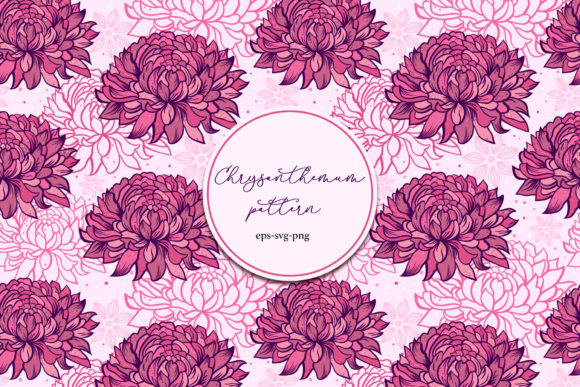
Chrysanthemums, often simply called mums, are sometimes underestimated because they appear everywhere in autumn, from grocery store displays to municipal plantings. But red Chrysanthemums deserve a closer look for how effectively they deliver dense, long-lasting color with very little effort. Their tightly packed petals create cushions of color that read clearly from a distance, making them excellent for lining walkways, filling containers near entryways, or adding mass to larger garden compositions.
The practical advantage of Chrysanthemums lies in their endurance. Garden mums bred for outdoor planting can bloom for six to eight weeks under favorable conditions, far longer than many other perennials or annuals. Red varieties hold their color well without fading, even in strong autumn sunlight. For business owners maintaining storefront planters or property managers overseeing commercial landscapes, this longevity translates directly into fewer seasonal replacements and lower maintenance costs over time.
There is also a meaningful distinction between florist mums and garden mums that affects how you might use them. Florist types are typically grown in greenhouses and treated as disposable indoor plants, while hardy garden varieties can survive winter in the ground across USDA zones 5 through 9. If you want Chrysanthemums that return year after year, look for labeled hardy varieties and plant them in spring rather than fall to give roots enough time to establish before cold weather arrives.
Combining the Three for Cohesive Garden Design
Placing Red Asters, Dahlias, and Chrysanthemums together creates depth through contrasting flower forms. The airy, star-like quality of asters softens the boldness of dahlias, while chrysanthemums fill in the middle ground with dense clusters of color. This natural layering reduces the need for additional filler plants and creates beds that look full without appearing overcrowded.
When planning placements, consider height progression. Taller dahlia varieties can anchor the back of a border, with chrysanthemums in the middle and asters toward the front or woven throughout as secondary accents. Alternatively, mass plantings of a single variety interspersed with groups of the others create a rhythmic, repeating pattern that guides the eye through the space. Garden designers often use this technique to make smaller areas feel larger and more intentional.
Color coordination within the red spectrum also deserves attention. Mixing a blue-red dahlia with an orange-red chrysanthemum and a softer brick-red aster produces subtle variation that keeps the scheme from feeling flat. For arrangements, this range of undertones provides depth without introducing entirely different colors, useful for monochromatic designs that rely on texture and form for interest rather than high contrast.
Cut Flower Applications and Small Business Potential
For florists, event stylists, and direct-to-consumer flower sellers, Red Asters, Dahlias, and Chrysanthemums form a practical backbone for autumn product lines. Their overlapping bloom periods mean you can harvest all three in a single cutting session, reducing labor time and simplifying workflow during busy fall months when weddings, corporate events, and holiday gatherings increase demand for floral product.
Bouquets built around these three flowers often require fewer supplementary ingredients to look complete. A handful of red dinner-plate dahlias, several stems of chrysanthemums, and a generous bunch of asters can fill a market bouquet with color and texture at a competitive price point. The stems tend to be sturdy, which reduces breakage during transport and handling. For subscription-based flower CSAs or farmers market vendors, this durability directly affects profitability by lowering the rate of unsellable product.
Dried flower applications are another revenue avenue worth exploring. While fresh dahlias do not dry well, both asters and certain chrysanthemum varieties retain their shape and much of their color when air-dried or desiccated. Red varieties may deepen slightly during the drying process, often taking on a richer, more muted tone that suits autumn and winter wreath designs, dried bouquet work, and seasonal home décor products.
Emotional and Creative Benefits of Growing These Flowers
Working with intensely colored flowers during a season often associated with decline and dormancy carries a psychological benefit that gardeners and creatives alike recognize. Red Asters, Dahlias, and Chrysanthemums signal abundance and warmth precisely when daylight hours shrink and landscapes begin to brown. For people whose mood is affected by seasonal transitions—something common among creative professionals and remote workers who spend significant time at home—a garden that remains visually engaging through October provides a tangible lift.
The act of cutting and arranging these flowers also supports creative practice. Their distinct forms encourage experimentation with composition, proportion, and color theory in a low-stakes, tactile way. Educators leading design or horticulture programs can use these three flowers to teach principles of balance and contrast, since the visual differences between them are immediately obvious even to beginners. The learning transfers naturally to other visual disciplines, from graphic design to interior styling.
Practical Considerations Before Planting
While Red Asters, Dahlias, and Chrysanthemums share many compatible traits, each has specific needs that affect how successfully they perform in your particular setting. Dahlias require consistent moisture and benefit from staking, particularly the larger-flowered varieties that can topple in wind or heavy rain. If your garden is exposed or you have limited time for maintenance, consider shorter dahlia cultivars bred specifically for container growing or bedding use.
Chrysanthemums purchased in fall from big-box retailers are sometimes treated with growth regulators to keep them compact and may not perform the same way in subsequent years. If long-term perennial performance matters to you, source plants from specialty nurseries that focus on hardy garden varieties. Expect some variability in bloom time and plant height as the specimens adjust to your local conditions over a season or two.
Red Asters, while generally robust, can be susceptible to aster yellows, a phytoplasma disease spread by leafhoppers that causes distorted growth and greenish flowers. There is no cure once plants are infected, so prevention through weed control and prompt removal of affected plants is the most reliable strategy. This is particularly relevant for market growers whose income depends on consistent flower quality.
Who Benefits Most from This Floral Combination
Home gardeners seeking low-effort, high-impact fall displays will find Red Asters, Dahlias, and Chrysanthemums deliver outsized visual returns relative to the work involved. The planting window in spring is forgiving, the care requirements are straightforward, and the bloom season aligns with a time of year when garden centers heavily promote these plants, often at reduced prices. Budget-conscious gardeners can time purchases to take advantage of end-of-season sales on dahlia tubers and chrysanthemum starts.
Creative professionals and small business owners who incorporate flowers into their work—whether for photography, event design, retail display, or content creation—benefit from the reliable availability and aesthetic versatility of these three flowers. They photograph well under natural autumn light, hold up during extended shoots or events, and convey a sense of seasonal authenticity that audiences and clients recognize immediately. For marketers and social media managers, red floral imagery tends to perform well in engagement metrics during the late third and early fourth quarters, aligning with seasonal campaigns and holiday-adjacent content.
Educators and community organizers running garden programs, therapeutic horticulture sessions, or floral design workshops will appreciate how clearly the structural differences between asters, dahlias, and chrysanthemums demonstrate key concepts. Participants can see, touch, and work with three distinctly different flower forms while producing arrangements that feel cohesive and visually satisfying. The red color range provides enough variation to discuss hue, saturation, and undertone without introducing variables that might overwhelm beginners.
Seasonal Timing and Regional Adaptations
Bloom synchronization matters when you are coordinating garden displays or planning harvest schedules. In most temperate regions, dahlia flowering peaks from August through September, chrysanthemums from September through October, and asters from late September into November. The overlap in October is where all three converge most reliably, making that month ideal for events, special projects, or simply enjoying peak garden color.
Gardeners in warmer climates, including USDA zones 8 through 10, may see extended bloom periods for all three, with dahlias sometimes continuing into December if frosts arrive late. Those in cooler zones should select early-blooming chrysanthemum cultivars to ensure flowers open before hard freezes end the season. Regional timing differences also affect how these plants combine with other garden elements, so observing local bloom calendars and talking with nearby growers provides practical insight that national guides may miss.
Making Informed Choices for Your Context
No single plant combination works perfectly for every situation, and Red Asters, Dahlias, and Chrysanthemums are no exception. They all prefer full sun, so heavily shaded gardens will not support vigorous blooming. Dahlias require digging and storing tubers in zones where the ground freezes deeply, adding a seasonal task that some gardeners may find burdensome. Chrysanthemums grown as perennials need occasional division to maintain vigor, typically every two to three years. These are not dealbreakers for most people, but they are worth factoring into your decision if time and physical capacity are limited.
For those who want the aesthetic effect without the growing commitment, all three flowers are widely available as cut stems from florists and some grocery retailers during autumn. This route allows you to experiment with arranging and color combining before investing in plants or tubers. Testing your personal response to the red tones, flower forms, and overall feel of these blooms in your space often leads to more satisfying planting decisions later on.
Ultimately, Red Asters, Dahlias, and Chrysanthemums earn their place in gardens and floral work through a combination of practical reliability and striking visual presence. They solve the problem of late-season color gaps, offer meaningful benefits for both casual gardeners and commercial growers, and provide a foundation for creative expression that extends well beyond the growing season. Approached with realistic expectations and a bit of planning, they become more than just autumn flowers—they become a dependable part of how you shape your environment and your work.