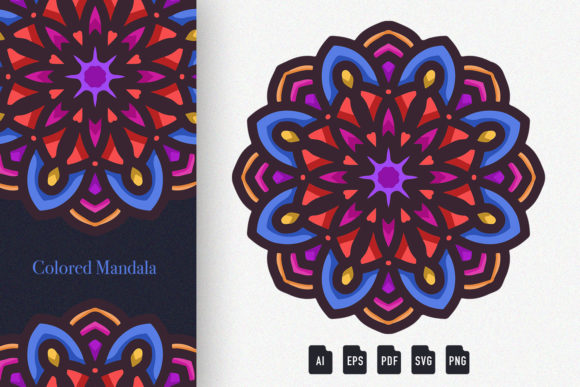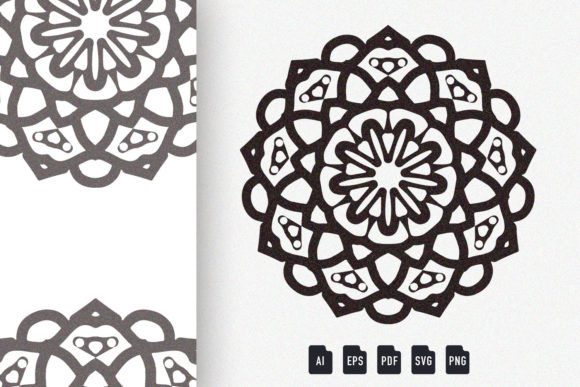
Floral Mandala Art: Creative Ideas and Practical Uses
Some creative forms feel purely decorative until you spend time with them. Floral mandala art is one of those forms. At first glance, it is a circular arrangement of petals and leaves. Look closer and you see a structure that blends geometry with nature in ways that can shift how you think about pattern, repetition, and meaning. People use it for relaxation, branding, surface design, teaching, and much more. What makes it interesting is not just the look but the versatility hidden inside that radial frame.
What Defines Floral Mandala Art
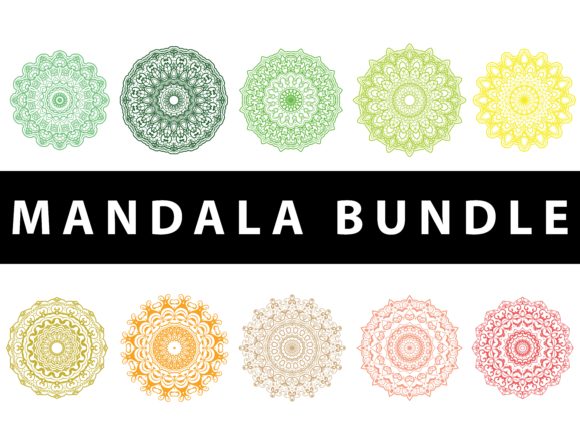
A mandala is a circular composition built around a central point, with shapes radiating outward symmetrically. When floral elements replace or merge with geometric shapes, the result is something that feels both structured and organic. Botanically inspired petals, leaves, vines, buds, and seed pods become repeating units instead of abstract polygons.
This combination does something useful. Pure geometry can feel cold or rigid. Pure botanical illustration can feel loose or decorative without clear focus. Floral mandala art brings the two together, using the circular grid to organize natural forms and using natural forms to soften the geometry. The outcome works in contexts that demand both clarity and warmth.
Artists often describe the process as meditative. There is a reason for that. Building a symmetrical design around a center requires slow, deliberate repetition. Each petal relates to the one before it and the one across from it. That rhythm can quiet a busy mind, which is why so many people turn to florals and mandalas as a combined creative practice rather than just a visual style.
Why It Appeals Across Different Audiences
The appeal crosses boundaries you might not expect. A surface pattern designer can build an entire collection around a single floral mandala motif, scaling it up for wallpaper or down for stationery. A teacher can use it to introduce rotational symmetry in a way that feels hands-on and memorable. A small business owner can incorporate it into a logo to signal balance, care, and attention to detail.
Bloggers and content creators find floral mandala art useful because it photographs well and carries a sense of intentionality. In a visual feed crowded with quick snapshots, a hand-drawn or digitally rendered mandala suggests time, thought, and skill. Marketers notice this too. A well-placed mandala element in packaging or promotional material can subtly shift brand perception toward the artisanal, the mindful, or the nature-inspired.
Hobbyists and casual creators gravitate toward it because the starting point is accessible. You do not need extensive botanical drawing skills to place repeated petals around a circle. You can begin with a compass, a pencil, and a few flower shapes you already know how to draw. From there, complexity grows at your own pace.
Styles and Variations Worth Exploring
Floral mandala art is not one style. The variations are wide enough that two people can work with the same concept and produce entirely different results. Understanding a few common directions can help you decide where to start or what to try next.
Traditional Symmetrical Mandalas
This is the classic approach. A center ring becomes the anchor point, and identical floral units repeat at regular intervals around it. Often there are four, six, eight, or twelve repeated sections. Each section mirrors the others precisely. The discipline here is in exact repetition. The beauty is in how perfectly the petals interlock.
Traditional versions are commonly seen in adult coloring books, textile prints, and wall art. They read clearly and photograph beautifully. If you are designing for a product like a tea towel or a journal cover, this version delivers reliable results that audiences immediately recognize.
Botanical Interpretations with Flow
Some artists loosen the geometry. Instead of rigid repetition, they let the circular structure guide a more flowing arrangement. Flowers might spiral outward rather than staying locked in radial symmetry. Leaves might curve asymmetrically while still respecting the overall circular boundary.
This approach suits editorial illustration, wedding stationery, and any context where you want the mandala to feel alive rather than mathematically perfect. The structure is still there, holding things together, but the individual elements breathe more. Think of a garden seen from above, organized but not rigid.
Minimalist and Line-Art Mandalas
Reducing floral mandala art to thin lines and thoughtful negative space creates something entirely different. Minimalist versions reject density and detail in favor of open rings, simple petal shapes, and plenty of white space. These work well for modern branding, subtle watermark backgrounds, and applications where a heavy mandala would overwhelm.
The skill here is restraint. Knowing when to stop adding is just as important as knowing how to build the structure. Minimal floral mandalas often appear in high-end cosmetic packaging, contemporary greeting cards, and digital backgrounds where readability matters.
Mixed Media and Cultural Fusion
Mandalas have roots in spiritual traditions across South Asia, while floral motifs appear in decorative arts worldwide. Some creators explore cross-cultural botanical mandalas that combine, for example, Indian lotus forms with Japanese chrysanthemum patterns or Mexican floral embroidery motifs. Done respectfully and with awareness, this fusion creates rich, layered designs that tell more complex visual stories.
The key is doing your research. If you are borrowing from a specific cultural tradition, learn its symbolism and original context. Use that understanding to inform your design choices rather than simply extracting shapes. Audiences today are knowledgeable and can tell when cultural elements are handled thoughtfully versus carelessly.
Practical Applications Across Formats
Moving from general appreciation to actual use, the range of applications is broader than many people realize. Here are some realistic examples across different contexts.
- Surface Pattern Design: A single floral mandala can be tiled into repeat patterns for fabric, wrapping paper, or wall murals. The circular shape creates natural focal points within a larger layout.
- Logo and Brand Identity: Wellness brands, yoga studios, organic skincare lines, and florists frequently use mandala elements. The radial balance communicates stability and harmony without saying a word.
- Editorial Design: Book covers, magazine spreads, and chapter dividers benefit from mandala art as a way to frame content or signal transitions. Floral versions soften the tone compared to geometric alternatives.
- Digital Content Creation: Social media graphics, Pinterest pins, and video thumbnails often use mandala backgrounds or overlays. They add visual interest without competing with text or faces.
- Educational Tools: Math and art teachers can use mandala construction to explain symmetry, fractions, and radial measurement. Creating a floral mandala becomes a cross-disciplinary project.
- Therapeutic and Wellness Resources: Counselors and wellness practitioners sometimes incorporate mandala drawing into sessions. The combination of nature imagery and structured repetition can be grounding.
Creating Your Own Floral Mandala Art
If you are ready to start making rather than just appreciating, the process is approachable. You do not need expensive tools or formal training. What you need is patience, a willingness to repeat yourself, and a method for building the framework.
Start with the Skeleton
Every mandala begins with a centered framework. Use a compass or a digital tool to draw concentric circles. Then divide the circle into equal segments using a protractor or angular guidelines. For a six-petal design, mark lines every 60 degrees. For eight petals, every 45 degrees. This skeleton is what keeps your finished piece cohesive no matter how detailed it gets.
Choose Your Floral Elements
Before you start filling in the framework, decide on two to three floral shapes to repeat. You might use a simple teardrop petal, a pointed leaf form, and a small circle for the flower center. Limiting your vocabulary of shapes actually strengthens the mandala. Too many different flower types in one piece can feel chaotic rather than harmonious.
Work from the Center Outward
Start at the middle and build outward ring by ring. Each ring can introduce a new variation or a larger scale of your chosen elements. By the time you reach the outer edge, your petals might have grown in size and complexity. The center remains simple, anchoring the whole design.
Balance Precision with Expression
Tracing identical units gives you perfect symmetry, and for some projects that is exactly what you need. But hand-drawing each section, even with slight variation, can produce a warmer result. Decide which approach fits your project. A digital product meant for mass reproduction may require pixel-perfect symmetry. A one-of-a-kind art print may benefit from the human hand being visible.
Adapting to Different Platforms and Audiences
The same floral mandala often needs adaptation depending on where it will be seen. A design that looks stunning as an 18-inch art print might feel cluttered as a mobile app icon. Scale and detail must be adjusted accordingly.
For digital use, consider legibility at small sizes. Thin lines that look elegant in full resolution may disappear on a phone screen. Test your designs at the smallest size they will appear. Simplify if needed. For print-on-demand products, check how your mandala reads across different materials. Fine details that work on paper may not transfer well onto textured fabric or wood.
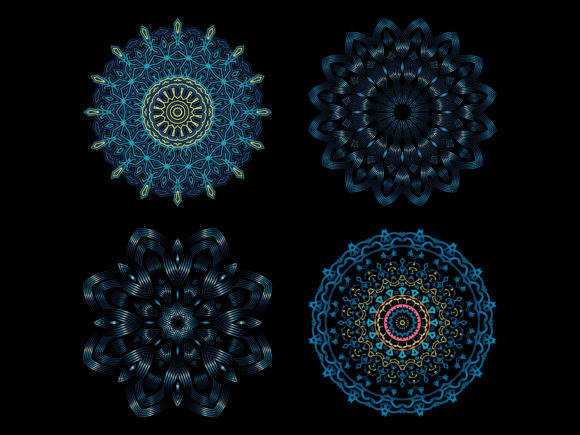
Think about color too. Floral mandala art often starts as black ink on white, but color transforms the mood entirely. Earthy terracottas and sage greens support a natural, organic feel. Deep blues and golds lean luxurious. Pinks and creams suit romantic or feminine branding. Test your palette against the context where the art will live.
Keeping Your Work Original and Audience-Friendly
With mandala art widely available online, originality matters. The structure of a circle divided into equal parts is not something anyone owns, but your particular combination of floral forms, proportions, line quality, and stylistic choices can be distinctly yours. Spend time developing your own botanical vocabulary. Draw flowers from observation. Study how different plants arrange their petals. Bring that real-world knowledge into your mandalas.
When creating for clients or commercial use, clarify the intended emotional response. A wedding planner might want a mandala that feels romantic and celebratory. A therapist might want something calm and grounding. A children's publisher might want something playful and bold. Let the audience's needs guide your stylistic decisions rather than defaulting to your own preferences every time.
Tools and Resources to Support Your Practice
Traditional tools include compasses, protractors, fine liners, and smooth paper. For digital creation, vector software like Adobe Illustrator or Affinity Designer allows perfect symmetry tools and easy scaling. Procreate on the iPad offers symmetry guides that speed up the process while keeping a hand-drawn feel. Many creators combine both, sketching by hand first and refining digitally.
If you are looking for inspiration, study textile archives, botanical illustrations, and architectural ornament. Nature itself is the most reliable source. Photograph flowers from directly above to see their radial symmetry clearly. Notice how petals overlap, how many there are, and what the centers look like. All of this feeds back into your mandala work.
Floral mandala art sits at an interesting intersection. It is structured enough for commercial design work, meditative enough for personal practice, and flexible enough to serve vastly different creative goals. Whether you are building a brand, teaching a concept, filling a blank page, or just looking for a way to slow down and make something orderly in a disordered week, the circular garden of the mandala has room for you.