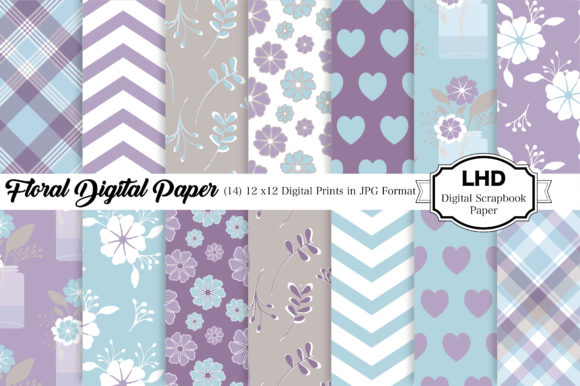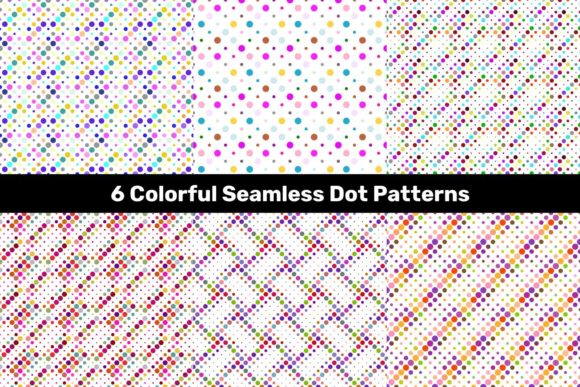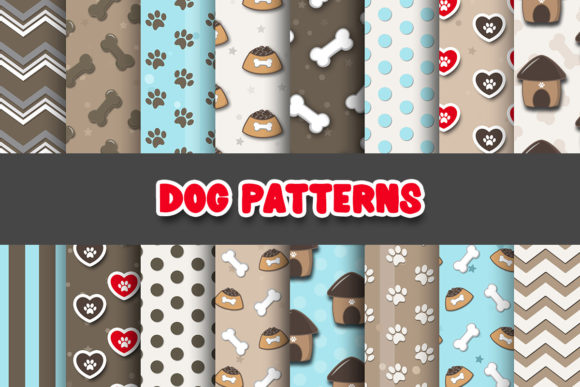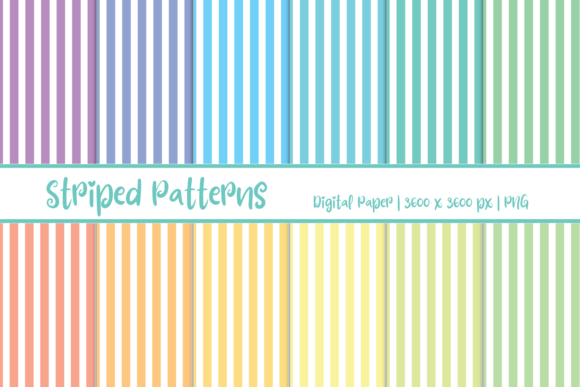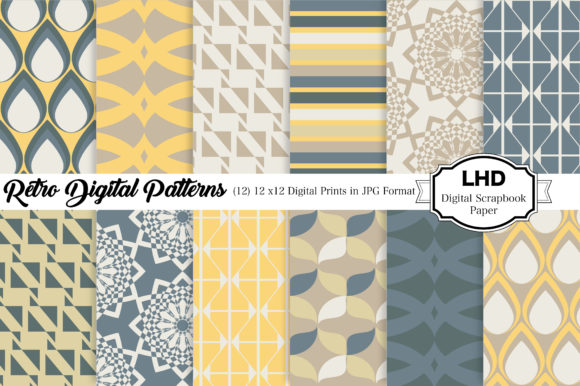
What to Expect From a Digital Paper Pack of Retro Patterns and How It Fits Into Your Creative Workflow
When you start searching for design resources that carry a sense of nostalgia without looking dated, a Digital Paper Pack of Retro Patterns often lands on the shortlist. These collections typically bundle seamless tileable backgrounds inspired by mid-century textiles, 1970s wallpaper, vintage geometrics, and muted or earthy color palettes. They sit at the intersection of craft convenience and stylistic character, which makes them a frequent choice for scrapbookers, stationery designers, packaging creators, and small-business owners who need pattern-based backgrounds without starting from scratch.
Yet a single pack can range from a modest six-page set to an expansive fifty-page library with multiple colorways. Understanding what separates a carefully assembled pack from a generic one—and how these products compare with adjacent options like individual vector patterns, custom pattern generators, or subscription-based asset libraries—helps you match the right resource to the complexity of your project.
What Defines a Quality Digital Paper Pack of Retro Patterns
At its core, a Digital Paper Pack of Retro Patterns is a downloadable collection of high-resolution raster files, typically in JPG or PNG format, designed to function as repeating backgrounds. What sets the retro category apart is the visual vocabulary: think avocado greens, burnt oranges, mustard yellows, repeating diamonds, wavy stripes, fleur-de-lis motifs, and atomic-age starbursts. The best packs pay attention to three things that casual buyers sometimes overlook.
First, seamless tiling matters more than the preview thumbnail suggests. A pattern that breaks at the repeat boundary becomes unusable for anything larger than a card front. Second, color calibration across the pack determines whether the papers work together in a single project. If one sheet leans warm and another cool, the mismatch shows up immediately in a layered design. Third, resolution and DPI—most packs target 300 DPI at 12×12 inches, which covers both digital and print use cases. Anything below that threshold limits output quality for physical products.
File Format and Print-Ready Considerations
Most digital paper packs in the retro niche arrive as JPEG files, which balance file size with visual fidelity. Some packs include PNG versions with transparent backgrounds, though this is less common for repeating patterns where opacity isn't typically needed. If you intend to print on textured paper or apply the patterns to fabric through services like Spoonflower, you'll want to confirm the color profile is sRGB or CMYK depending on the printer's requirements. A pack designed for screen use may shift unexpectedly when printed.
Comparing Digital Paper Packs With Alternative Pattern Resources
A Digital Paper Pack of Retro Patterns represents one approach among several for acquiring pattern-based backgrounds. Other common routes include purchasing individual vector patterns, using pattern libraries bundled with design software, generating patterns through online tools, or subscribing to all-access design asset platforms. Each path carries distinct tradeoffs that affect cost, creative control, and speed.
Ready-Made Packs vs. Individual Pattern Licenses
Buying a cohesive pack generally costs less per sheet than purchasing individual patterns, especially if you need a matching set for a project like a wedding invitation suite or a coordinated brand collateral package. The downside is flexibility: you're locked into the designer's color choices and motif selection. If you need a specific palette shift—say, converting a 1970s earth-tone pattern to a pastel version—you'll need intermediate photo editing skills or access to the original vector source, which most raster packs don't include.
Individual patterns, particularly those sold as editable vectors, offer deeper customization. You can recolor, rescale, and modify individual elements. The tradeoff is that building a coordinated set from separate purchases takes more time and often costs more in total.
Digital Paper Packs vs. Pattern Generator Tools
Online pattern generators and browser-based tools let you adjust parameters like motif spacing, rotation, and color palette on the fly. They're appealing when you need a quick custom pattern and don't want to browse through pre-made options. However, most generators draw from a limited motif library that rarely captures the specific hand-drawn or distressed texture common in well-designed retro patterns. A Digital Paper Pack of Retro Patterns created by a designer who understands period-specific aesthetics often carries imperfections—slight misregistration, ink bleed effects, halftone textures—that generators struggle to replicate convincingly.
For projects where authenticity matters, the pre-made pack usually wins. For projects where speed and exact color matching are the priority, a generator might be the more practical choice.
One-Time Purchases vs. Subscription Asset Libraries
Subscription platforms offer access to thousands of patterns for a monthly or annual fee. This model works well for high-volume designers who need fresh assets regularly and across multiple styles. The per-asset cost drops significantly when you use the subscription heavily. The limitation surfaces when you stop subscribing: depending on the licensing terms, you may lose the right to use downloaded assets in new projects after cancellation.
A one-time purchase of a Digital Paper Pack of Retro Patterns typically comes with a perpetual commercial license, which works better for small-business owners who need predictable costs and long-term usage rights. If your pattern needs are occasional rather than continuous, the pack model often represents better value over two or three years.
Where Retro Pattern Packs Excel and Where They Fall Short
Understanding the natural strengths and limitations of these packs prevents the frustration of buying a resource that doesn't fit the actual job. Let's walk through realistic scenarios.
Strengths in Physical and Hybrid Projects
Scrapbookers and card makers consistently find digital paper packs valuable because the print-and-cut workflow matches the product design. A 12×12 sheet prints at full size on standard scrapbook paper, and the seamless repeat means you can trim any section without hitting an awkward pattern break. The retro aesthetic also pairs well with the layered, mixed-media style common in memory keeping, where vintage patterns create contrast against contemporary photos and embellishments.
Stationery designers building wedding suites, event collateral, or small-brand packaging benefit from the curated cohesion within a single pack. When a pack includes the same motif in three or four colorways, you can create visual variety across different pieces—invitations, menus, thank-you cards—while maintaining a recognizable thread. This consistency is harder to achieve when pulling patterns from multiple unrelated sources.
Limitations in Digital-Only and Scalable Contexts
Raster-based digital papers run into limits when you need extreme scalability. Blowing up a 12×12-inch 300 DPI sheet to billboard dimensions introduces visible pixelation. For large-format printing, vector patterns remain the technically correct choice. Similarly, if you're designing a responsive website where a background pattern needs to look sharp on both a phone screen and a 27-inch monitor, SVG or CSS-based pattern approaches offer resolution independence that a raster pack cannot match.
Another limitation involves pattern density and scale. Most packs deliver fixed-size motifs. If the pattern's repeat is too large or too small for your specific application, adjusting it means resampling in a photo editor, which degrades quality or alters the visual rhythm the designer intended. Some packs include multiple scale versions, but this feature is not standard.
Decision Factors When Evaluating Different Packs
Not every Digital Paper Pack of Retro Patterns is built with the same end user in mind. Asking a few pointed questions before purchasing can separate packs that will actually get used from those that sit untouched in a downloads folder.
- Does the pack show the pattern at 100% scale in preview images? Mockups that only display patterns at tiny thumbnail sizes can hide alignment issues or low-resolution artifacts.
- Is the commercial license clear about print-on-demand usage? Some packs restrict use on physical products sold through third-party platforms. If you plan to use patterns on merchandise, verify the terms explicitly permit it.
- Are the files organized with consistent naming conventions and color labels? A pack with thirty files named "pattern1.jpg" through "pattern30.jpg" adds friction to a fast-moving workflow.
- Does the pack include a mix of dense and sparse patterns? Layouts benefit from having both busy backgrounds and quieter options that don't compete with foreground elements.
When a Digital Paper Pack of Retro Patterns Is the Right Choice
The strongest case for choosing a pre-made retro pattern pack emerges when three conditions align: the project timeline is short, the aesthetic direction is already established as vintage or nostalgic, and the output medium is print or print-hybrid. Under these circumstances, the pack functions as a time-saving tool that trades some customization headroom for immediate usability. A small stationery business preparing a seasonal product line, for example, can move from concept to mockup in an afternoon rather than spending two days sourcing and tweaking individual patterns.
The pack also makes sense when you value stylistic consistency crafted by a single designer's eye. There's a subtle harmony in a well-made pack—the way colors repeat across different motifs, the consistent line weight, the shared level of texture and distressing—that assembled collections rarely achieve. If that coherence matters for your brand or project identity, the curated pack offers something that piecemeal selection cannot replicate without significant effort.
When Another Option Might Serve You Better
There are clear signals that a digital paper pack may not be the best fit. If you need to match an existing brand color with precision, raster patterns require careful color replacement work that can introduce banding or shift the relationship between tones. In that case, an editable vector pattern or a custom-designed pattern may save more time than it costs.
If your project crosses many different media—say, a pattern that needs to appear on a website, in a printed brochure, on fabric, and on large-scale signage—starting with a vector asset gives you one source file that exports cleanly to every required format. A raster pack would force you to manage multiple versions at different resolutions, increasing the risk of inconsistency.
Budget predictability also plays a role. A one-time pack purchase suits project-based spending, while a subscription might be more economical if you cycle through patterns quickly and across styles beyond retro. If your creative work spans minimalist modern, watercolor, botanical, and vintage within the same quarter, a broader subscription library might reduce the number of individual transactions.
Practical Ways Designers Mix Packs With Other Resources
Experienced designers rarely rely on a single type of asset. A common workflow involves starting with a Digital Paper Pack of Retro Patterns as the base layer, then layering vector illustrations, custom typography, or photographic elements on top. The pattern provides atmosphere and period context, while the added elements give each piece its unique identity. This hybrid approach avoids the risk of a design looking like a template while still benefiting from the pack's foundational structure.
Another practical pattern involves using the pack for print applications while creating simplified, flat-color versions of the same motifs for digital use. For example, a business might use the full-texture retro pattern on their product packaging but deploy a cleaner, reduced-color adaptation on their website to keep load times fast and legibility high. The pack informs the visual direction even when the final digital asset isn't taken directly from the purchased files.
Long-Term Value and Licensing Awareness
As you compare packs, treat licensing as a practical decision point rather than legal fine print to skim past. Some packs permit unlimited commercial use, others cap the number of end products, and a growing number distinguish between personal use, small-business commercial use, and large-scale manufacturing. A pack priced attractively for personal scrapbooking may carry restrictions that make it unsuitable for a product line generating significant revenue. Reading those terms before purchasing protects your work and the original designer's rights.
The long-term value of a Digital Paper Pack of Retro Patterns often depends less on the initial selection and more on whether the pack's aesthetic aligns with projects you'll realistically undertake over the following year or two. Buying a pack because it looks beautiful in isolation—but doesn't match the visual language of the work you actually do—leads to digital clutter. Choosing a pack whose color palette and motif density suit your typical output turns a one-time purchase into a frequently accessed resource.
Taking time to evaluate the pack's preview images at full size, understand the licensing scope, and honestly assess whether raster patterns match your primary output methods transforms the buying decision from a gamble into a calculated choice. The right pack saves hours of design time and brings a cohesive, period-informed texture to creative work. The wrong pack, or the wrong format for your context, creates friction that undermines the convenience digital papers are meant to provide.