Understanding Seamless Plaid Tartan Fabric Overlays in Digital Design
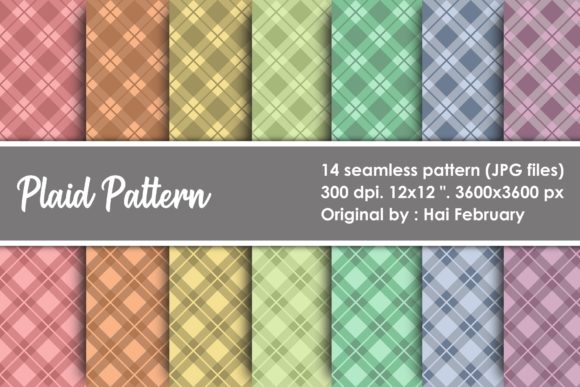
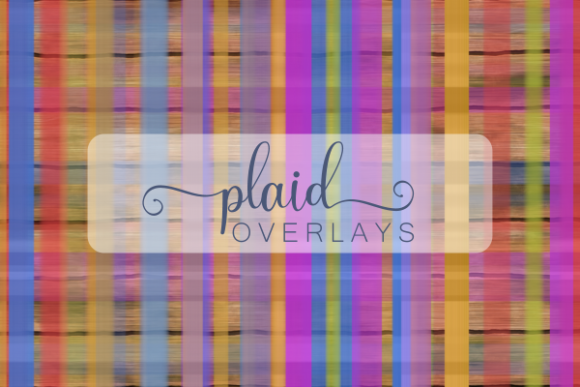
The digital asset marketplace has expanded dramatically over the last decade, and among the most versatile resources available today are Seamless Plaid Tartan Fabric Overlays. These textures bridge the gap between traditional textile aesthetics and modern digital workflows, offering designers, photographers, and content creators a way to inject warmth, heritage, and visual depth into their projects without ever touching a physical swatch of wool.
What makes these overlays particularly valuable is their repeatability. A truly seamless overlay can be tiled infinitely across any canvas size without visible borders or jarring transitions. This technical quality transforms a simple texture file into a flexible design tool that adapts to anything from a small social media graphic to an enormous billboard mockup. When the plaid pattern flows without interruption, the illusion of real fabric becomes convincing enough to anchor an entire composition.
What Sets Seamless Overlays Apart from Basic Textures
Standard fabric textures often carry the frustration of edges that refuse to blend. You place one next to another, and a sharp line betrays the digital manipulation. Seamless Plaid Tartan Fabric Overlays eliminate this problem entirely. The edges of the image file are engineered to match perfectly, meaning the left side connects to the right and the top to the bottom with mathematical precision.
This engineering matters more than many newcomers realize. In a practical scenario, imagine designing a product packaging wrap that needs to cover a cylindrical shape in a 3D rendering. A non-seamless pattern would display a visible seam right where the texture wraps around, breaking immersion and looking amateurish. The seamless variety ensures the tartan pattern continues around the object naturally, just as real woven fabric would behave.
The Weave of Authenticity
Beyond the technical seamlessness, quality overlays capture the essence of woven wool. Fine examples show subtle thread cross-hatching, slight variations in dye saturation, and the fuzzy halo of raised fibers. These micro-details separate a convincing overlay from a flat, computer-generated checkerboard. Designers who work extensively with Seamless Plaid Tartan Fabric Overlays learn to appreciate the difference between a photograph-based overlay and a purely synthetic one, even if both are technically seamless.
Photograph-based overlays carry organic imperfections. A thread might be slightly uneven. The color might vary gently across the weave. These characteristics mimic what the human eye expects from real textiles, triggering a subconscious recognition of authenticity. This psychological layer of realism is invaluable in commercial work where product presentations need to feel tangible.
Where These Overlays Shine in Modern Creative Work
The applications for plaid tartan overlays extend far beyond what many initially imagine. While seasonal holiday designs and cozy branding immediately come to mind, the true reach of these assets stretches into unexpected territory.
Textile and fashion designers use Seamless Plaid Tartan Fabric Overlays as rapid prototyping tools. Instead of weaving physical samples for every color variation of a proposed garment, a designer can map different overlay variations onto digital dress forms and evaluate how a particular tartan scale and palette interacts with drape and silhouette. This workflow saves weeks of sampling time and material waste.
Interior design visualization represents another field where seamless tartan overlays prove their worth. An interior designer working on a cozy pub renovation or a heritage-inspired residential project can apply these overlays to upholstered furniture, curtains, or accent cushions in a 3D scene. Because the overlays are seamless, zooming in for a close-up render of a tufted chair button presents no pixelation or edge artifacts. The pattern remains crisp and believable regardless of camera distance.
Photography and Composite Art
Photographers who specialize in composite imagery or conceptual portraits frequently reach for Seamless Plaid Tartan Fabric Overlays to introduce texture into their frames. A simple technique involves layering an overlay in soft light blending mode over a solid backdrop, instantly converting a plain studio background into something that resembles rich wool. When the overlay is truly seamless, the photographer can stretch or duplicate it to fill any aspect ratio without worrying about unnatural repetition marks.
Composite artists also use these overlays as displacement maps. By converting the tartan pattern into grayscale and feeding it into a displacement filter, they can warp text, logos, or other graphic elements so they appear printed or embroidered directly onto the fabric. The result mimics the uneven surface of woven cloth, with letters dipping and rising along the thread lines. This technique is widely used in mockup creation for merchandise brands that want to visualize embroidered patches or screen-printed designs on tartan backgrounds.
Practical Considerations When Choosing an Overlay
Not all Seamless Plaid Tartan Fabric Overlays are created equal, and understanding the variables helps creatives make informed purchases or selections. Several factors affect how well an overlay will perform in a given project.
- Resolution and dimensions. Overlays sized at 300 DPI and at least 4000 pixels on the longest edge provide enough detail for print work. Lower resolutions may suffice for web-only projects, but scaling up later is rarely satisfactory.
- File format. High-quality overlays often come as TIFF or PNG files with transparency, allowing immediate drag-and-drop placement. JPEG versions, while smaller, lack the transparency flexibility that makes overlay work so efficient.
- Color profile. For print designers, overlays saved in Adobe RGB or CMYK profiles prevent color shifts when the final file goes to press. RGB overlays are fine for digital work but may appear duller when converted for print.
- Scale authenticity. A plaid pattern repeats at a specific interval measured in threads per inch. Overlays that preserve realistic scaling look more convincing than patterns that appear unnaturally large or tight for the object they cover.
Understanding Tartan Pattern Families
Anyone working extensively with Seamless Plaid Tartan Fabric Overlays benefits from knowing the broad categories of tartan designs. Traditional clan tartans follow specific thread counts and color arrangements, each with cultural significance. Fashion tartans, by contrast, prioritize aesthetic trends over tradition and may use non-standard color combinations or modified stripe widths. Buffalo plaid, a simplified and bold variation with large intersecting blocks, has become ubiquitous in rustic and lifestyle branding.
Knowing these distinctions allows designers to choose overlays that carry the right cultural and emotional weight for a project. Using a traditional Royal Stewart tartan for a punk-inspired fashion campaign might feel perfectly aligned with that subculture's history of appropriation and subversion. Using the same pattern for a corporate hospitality brand could send unintentionally aggressive signals. Context matters, and the overlay market today offers enough variety that matching pattern to message is entirely achievable.
Integrating Overlays into a Workflow
Most design software handles Seamless Plaid Tartan Fabric Overlays with straightforward blending capabilities. Placing the overlay above a base layer and cycling through blend modes—Multiply, Overlay, Soft Light, and Screen being the most commonly useful—reveals dramatically different results. Multiply darkens the underlying image while preserving the plaid pattern, making it ideal for applying tartan to light surfaces. Screen does the opposite, working best when the tartan needs to appear on darker backgrounds.
Layer masks unlock the real power of these overlays. By masking portions of the overlay, a designer can confine the tartan pattern to a specific object while leaving the surrounding area untouched. This non-destructive approach means adjustments can be made at any point without starting over. For product photographers, this translates to the ability to test five different plaid colorways on a scarf in the time it would take to physically style and shoot just one.
Opacity and Subtlety
A common beginner mistake involves applying the overlay at full opacity and calling the job done. The most sophisticated uses of Seamless Plaid Tartan Fabric Overlays often involve reduced opacity—sometimes as low as 15 to 30 percent—combined with targeted masking. This approach suggests texture rather than screaming it, adding a tactile quality that viewers feel more than consciously notice.
Consider an album cover design where the photograph of a musician in a studio benefits from a faint tartan texture ghosted across the entire frame. At 20 percent opacity with a soft light blend, the overlay adds warmth and a subtle vintage quality without distracting from the portrait. The seamless property ensures the texture flows evenly across the entire square format, with no breaks or seams to pull the eye away from the subject.
Color Customization Without Losing Realism
Many Seamless Plaid Tartan Fabric Overlays arrive in a fixed color scheme, but designers rarely need to accept those colors as final. Hue adjustment layers in Photoshop or similar tools can shift the entire plaid into a new palette while preserving the tonal relationships and weave texture. This flexibility means a single well-made overlay can serve dozens of projects across different color requirements.
The key to realistic color shifting lies in maintaining the subtle variations that exist within the original weave. A red thread in the original overlay contains multiple shades of red, from the bright surface highlights to the darker crevices where fibers cross. A simple hue slider preserves these micro-variations, whereas a brute-force color replacement would flatten them into a single flat tone. Designers who understand this distinction achieve recolored tartans that still look woven rather than digitally painted.
The Growing Demand in Commercial and Brand Work
Brands across sectors have gravitated toward plaid and tartan textures as visual shorthand for craftsmanship, heritage, and coziness. Craft beverage companies, artisanal food producers, outdoor apparel brands, and boutique hotels all use tartan motifs in their visual identities. For the designers serving these brands, Seamless Plaid Tartan Fabric Overlays offer a faster and more flexible alternative to photographing physical fabric for every campaign.
The time savings compound quickly. A designer tasked with creating seasonal social media templates for a whiskey brand can build a library of seamless overlays that apply consistently across different template sizes. Because the overlays tile perfectly, the same asset covers an Instagram Story, a Facebook cover photo, and a wide-format email header without modification. This reusability reduces asset management overhead and lets the designer focus on typography and composition rather than re-sourcing textures for each format.
Looking Beyond the Screen
While digital applications dominate the conversation, Seamless Plaid Tartan Fabric Overlays also serve physical output in surprising ways. Print-on-demand services allow designers to upload seamless patterns and have them printed onto actual fabric, which can then be sewn into products. A designer who creates a custom plaid overlay and orders a test swatch from a fabric printer completes a loop that starts digital and ends physical—a powerful capability for small-batch fashion lines, custom interior décor, or personalized merchandise.
The seamless engineering that serves digital canvas tiling also satisfies the continuous yardage requirements of fabric printing. The pattern repeats cleanly along the roll, just as professional textile designs must. Designers who understand this crossover position themselves to work across media with the same core assets, a versatility that clients increasingly value.
As the quality of textile simulation in 3D software continues to improve, Seamless Plaid Tartan Fabric Overlays will likely become even more central to visualization pipelines. Architects, product designers, and game developers all benefit from textures that behave predictably when mapped onto complex geometry. The tartan pattern, with its structured grid of intersecting lines, serves as an excellent test case for texture mapping accuracy while also delivering the aesthetic appeal that makes final renders compelling.